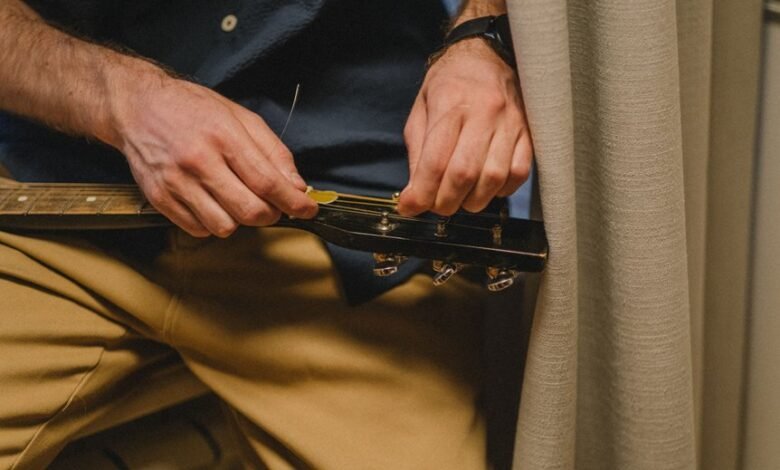
Restringing a guitar typically falls in the $5 to $25 range for a basic setup, with costs rising for specialty strings or complex repairs. Factors such as instrument type, string material, gauge, and whether it’s a routine service or a more thorough setup can shift the price. DIY restringing offers immediacy but risks intonation drift or breakage, while a professional service reduces those risks and ensures proper setup. The next detail clarifies where value best fits specific needs.
What You’ll Pay to Restring a Guitar
Restringing a guitar typically costs between $5 and $25 for a basic setup, depending on the instrument type, string material, and whether the work is performed during a routine shop visit or as part of a larger repair.
The process hinges on strings comparison, and attention to nut repair ensures stable intonation and tension, preserving freedom in playability and tone without unnecessary expense.
Factors That Change the Price
Several variables influence the final price of restringing, including instrument type, string material and gauge, and whether the service is performed during a routine visit or as part of a larger repair. Restring material choices affect cost and tone, while tension stability requirements may necessitate adjustments, fees, or additional setup. These factors shape value without unnecessary flourish, reflecting practical, freedom-minded service expectations.

DIY vs. Professional: When to Choose Which
When deciding between DIY restringing and professional service, the key is weighing safety, accuracy, and time against cost and convenience. DIY offers immediacy and control, but risks intonation drift and breakage without proper technique.
Pros rely on consistent tone comparison and setup.
Consider peghead shape and stringing method to determine complexity and required tooling before choosing the path.
Money-Saving Tips Without Sacrificing Tone
For players weighing cost against tone, practical money-saving tips can help maintain sonic quality without compromising results. Strategic choices center on restringing timelines, selecting stable materials, and optimizing neck tension. Regular maintenance reduces surprises and keeps tone consistency intact between sessions. Consider bulk-string purchases and DIY setup checks, eliminating unnecessary visits while preserving response, intonation, and overall feel. Precision budgeting supports freedom without sacrificing sound.
Frequently Asked Questions
Do Restringing Costs Vary by Guitar Type Beyond Price Range?
Restringing costs do vary by guitar type beyond price range, with material and construction influencing labor and setup time. Guitar material and quantum timing considerations inform technicians’ decisions, promoting precise, practical outcomes for players seeking freedom in tone and playability.
How Long Does a Typical Restringing Job Take?
A typical restringing job takes about 15 to 30 minutes, depending on instrument and stringing method. The technician considers timing constraints, two word discussion ideas, and customer preferences to balance efficiency with accuracy and setup quality.
Are Materials Covered by a Quote or Billed Separately?
Answering the current question: materials are typically separate items, with resin vs. strings reflected in pricing transparency. A reputable shop quotes labor plus components distinctly; customers gain freedom through clear line items, avoiding hidden fees and unexpected resin charges.
Can Frequent Restringing Cause Neck or Fret Wear?
Restringing does not inherently cause significant neck wear; frequent restringing can contribute minor wear at contact points and tuner posts. The practical risk involves string tension changes affecting neck stability and potential fret wear, with careful installation mitigating impact.
Do Lessons or Setup Services Accompany Restringing?
Restringing cadence influences timing more than cost; lessons or setup services may accompany it, depending on the shop. The process offers setup implications, and experienced technicians often bundle guidance with restringing to optimize intonation and playability.
Conclusion
Restringing costs vary, typically $5–$25 for a basic setup, influenced by guitar type, string material, and service scope. An interesting stat: 60–70% of players report noticeable tonal improvement after proper setup and string change, underscoring the value beyond mere string replacement. DIY offers speed and control but risks intonation issues; professional service minimizes drift and breakage with careful nut and tension considerations. For value, time routine changes with bulk purchases and strategic scheduling to preserve playability and tone.