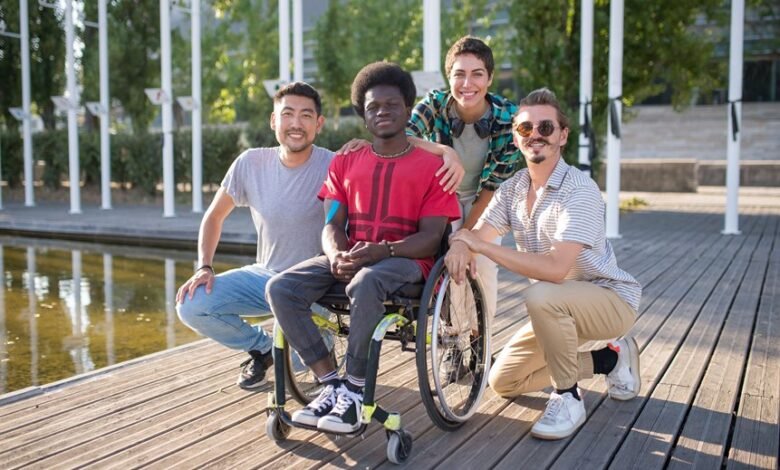
инклюзивностт is about intentionally including everyone in activities, decisions, and spaces so people can participate and thrive regardless of ability or background. It relies on inclusive language, accessible design, universal design, and data-driven strategies to reduce gaps. This approach supports freedom through equitable participation, grounded in evidence and accountability. Across schools, workplaces, and communities, inclusive practices remove barriers and measure impact, aiming for real belonging for all—and the path forward invites careful consideration and ongoing effort.
What Is Инклюзивностт in Plain Terms
In plain terms, инклюзивностт refers to the intentional practice of including all people—regardless of abilities, backgrounds, or identities—in activities, decisions, and environments so everyone can participate and thrive.
This analysis emphasizes inclusivity vocabulary and measures access barriers, highlighting data-driven strategies to reduce gaps.
The approach supports freedom by enabling equitable participation, informed by evidence and transparent accountability.


Everyday Examples of Inclusive Practices
Everyday inclusive practices appear in simple, observable actions that communities can adopt without special tools. This overview highlights inclusive language, accessible design, and universal design as foundational choices. Inclusive education promotes equitable participation, while diverse collaboration strengthens problem-solving. Respectful communication reduces barriers and builds trust. Concrete examples illustrate how universal design and accessible environments empower all participants toward shared goals.
Simple Steps to Be More Inclusive at School, Work, and Community
Simple steps enable more inclusive environments across school, work, and community by translating inclusive principles into actionable actions. The guidance emphasizes inclusive language and practical adjustments, supported by data on accessibility outcomes. By adopting universal design concepts and clear communication, organizations implement adaptive accommodations, flexible scheduling, and respectful collaboration. This approach fosters autonomy, reduces barriers, and promotes participation for diverse individuals across settings.
Measuring Impact and Keeping Inclusion Real
Measuring impact and keeping inclusion real requires ongoing, data-informed evaluation that tracks outcomes across participation, accessibility, and belonging.
This approach relies on transparent inclusion metrics and rigorous impact assessment to identify gaps, celebrate progress, and adjust practices.
Frequently Asked Questions
How Can I Tell if a Practice Is Truly Inclusive?
How to measure inclusion hinges on clear, visible indicators and ongoing data collection; an organization demonstrates truth in practice when diverse voices are heard, decisions are transparent, and outcomes reflect equitable access to opportunities for all participants.
What Are Common Myths About Inclusion in Schools?
Myth busting reveals classroom myths and policy gaps; an inclusive culture hinges on adaptive assessment, universal design, and resource equity. Teacher attitudes, parental involvement, and timetabling challenges shape student voice, collaboration models, and assessment fairness—bias awareness, stigma reduction, language access, and assistive tech.
How Do You Handle Resistance to Inclusion?
Handling resistance to inclusion requires transparent communication, data-driven evaluation, and inclusive strategies that engage all stakeholders. The approach emphasizes evidence-based adjustments, ongoing monitoring, and respectful dialogue to balance needs, autonomy, and shared goals for an equitable learning environment.
Can Inclusion Ideas Be Adapted for Small Groups?
Inclusion ideas can be adapted for small groups, enabling inclusive practice within tight dynamics; data shows improved participation. The analysis notes small group dynamics leverage equitable access, tailoring tasks, and clear roles for freedom-loving learners and observers alike.
How Do Cultures Influence Inclusive Norms?
Cultures influence inclusive norms by shaping beliefs, language, and practices; data shows variation across societies in participation, accessibility, and rule enforcement. Acknowledging these differences enables adaptable, evidence-based approaches that respect autonomy and foster freedom for all participants.
Conclusion
In plain terms, инклюзивностт means creating environments where everyone can participate and thrive, regardless of differences. The approach rests on inclusive language, accessible and universal design, and data-driven strategies to close participation gaps. By measuring outcomes, adapting practices, and holding organizers accountable, schools, workplaces, and communities remove barriers and reinforce belonging. Like a well-tuned orchestra, inclusive systems rely on diverse parts contributing harmoniously, guided by transparent evidence and continuous improvement to sustain equitable opportunity for all.