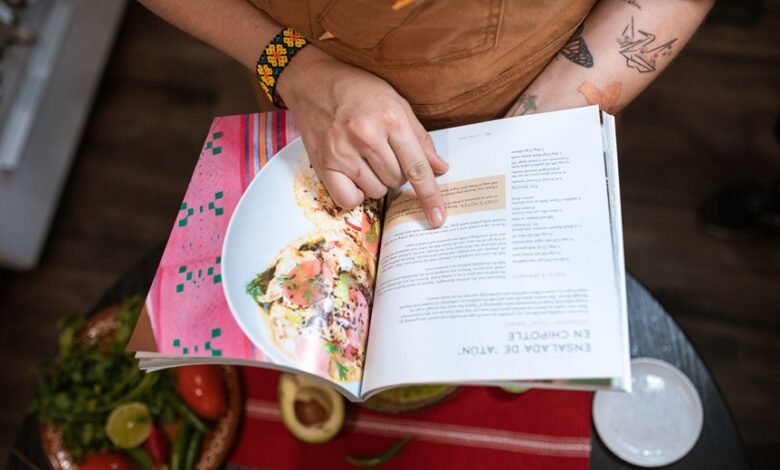
A Simple Guide to Zahuayac Step by Step presents a practical path from origin to everyday use. It stresses texture, flavor, and cultural meaning. The guide starts with proper tools, a clean workspace, and clear labeling. It emphasizes safety margins, measured steps, and disciplined routines. Anticipated pitfalls are identified with targeted drills. The framework invites careful iteration to fit lifestyle and trends, leaving a precise question in the air about what comes next. The next detail awaits.
What Is Zahuayac and Why It Matters
Zahuayac is a traditional ingredient used in regional cuisines, valued for its distinctive texture and flavor.
Zahuayac origins inform its use, while cultural significance guides preparation methods.
Technical applications encompass texture enhancement, binding, and suspension in dishes.


Safety considerations address allergens and proper handling to minimize contamination, ensuring reliable culinary outcomes and responsible consumption for a freedom-focused audience.
Prerequisites: Tools, Setup, and Safety for Beginners
For beginners, assembling the right tools, establishing a clean workspace, and observing basic safety practices lays the foundation for reliable results with Zahuayac-based preparations.
Prerequisites safety and setup tools are essential checkpoints: identify compatible gear, verify cleanliness, and organize components to minimize error.
Systematic setup emphasizes clear labeling, safety margins, and documented steps, ensuring disciplined practice and freedom to explore innovative, accurate Zahuayac outcomes.
Step-By-Step Core Technique: Build Your First Zahuayac Piece
This step-by-step technique guides the reader to assemble the first Zahuayac piece with clarity and precision, outlining essential actions from initial alignment to final verification. It emphasizes technique focus, ensuring deliberate motions and measured pressures. The guidance notes beginner pitfalls, keeping steps compact and independent of extraneous theory, so practitioners build confidence through disciplined, repeatable, error-averse practice.
Troubleshooting and Tips to Refine Your Craft
How can common pitfalls be identified and addressed to refine technique? The analysis notes recurring errors in grip, alignment, and timing, then prescribes targeted drills and deliberate practice. Troubleshooting emphasizes observation, measurement, and incremental adjustments. Tips to refine craft include documenting experiments, adapting to lifestyle aesthetics, and aligning with market trends. A disciplined, curious approach sustains freedom while improving consistency and artistry in Zahuayac.
Frequently Asked Questions
What Are Common Mistakes Beginners Make When Starting Zahuayac?
Common beginner mistakes include underestimating preparation, skipping fundamentals, and neglecting pacing. Zahuayac beginners mistakes also involve overreliance on theory, poor note-taking, and insufficient practice logs, hindering progress and limiting personal freedom in adventurous, mindful learning journeys.
How Long Does It Take to Complete a Basic Piece?
A chiseled hourglass pauses; a basic Zahuayac piece completes in time estimates of several hours, depending on skill and detail. The process invites two word discussion ideas, aiming for steady progress, deliberate pacing, and mindful, freedom-loving craftsmanship.
Can Zahuayac Be Learned Without Prior Art Experience?
Can zahuayac be learned without prior art experience? Yes, beginners body learns gradually with community support feedback, avoiding common mistakes. Basic piece time varies; materials for climates matter, though. Structured guidance reduces beginners mistakes, enabling steady progress toward skillful outcomes.
Which Materials Are Best for Different Climates?
Different climates demand materials tailored to heat, moisture, and insulation; the theory holds that local availability plus seasonal performance predict outcomes. Which materials suit arid, temperate, or tropical zones? Selection hinges on durability, weight, and temperature stability.
Where Can I Find Community Support and Feedback?
Community forums offer accessible spaces for guidance, while technique critiques provide constructive feedback; beginner workshops enable hands-on learning, and material sourcing details help practitioners. In this framework, enthusiasts pursue freedom through structured, precise support networks.
Conclusion
Zahuayac emerges as a disciplined practice rather than a mere craft, with each step reinforcing precision and consistency. The process teaches patience, measurement, and mindful repetition, yielding reliable results over time. Like a well-tuned instrument, the technique harmonizes texture, flavor, and safety into a repeatable routine. Finally, ongoing iteration—refining tools, setup, and drills—transforms practice into mastery, aligning aesthetics with market needs while maintaining clarity, control, and respect for the craft’s cultural foundations.